Pain is one of the body’s ways of telling us that something may be wrong. But not all pain is the same.
Pain can be described in different ways depending on its cause, intensity, and duration. Two common categories are acute pain and chronic pain.
Understanding the difference can help you recognize when pain may need further evaluation and professional management.
What Is Acute Pain?
Acute pain typically develops suddenly and is often associated with an injury, illness, procedure, or other identifiable cause.
For example, acute pain may occur after:
- A sports injury
- A fall
- A cut or burn
- Surgery
- Dental procedures
- A muscle strain
- An infection
Acute pain generally improves as the underlying problem heals or resolves.
What Is Chronic Pain?
Chronic pain is pain that continues or recurs for an extended period. Unlike acute pain, it may persist even after an initial injury or condition has healed.
Chronic pain can affect many areas of the body, including the:
- Back
- Neck
- Shoulders
- Joints
- Pelvic region
- Arms and legs
Persistent pain can affect more than physical comfort. It may interfere with sleep, mobility, work, relationships, and overall quality of life.
Acute vs. Chronic Pain: Key Differences
| Acute Pain | Chronic Pain |
|---|---|
| Often begins suddenly | May develop gradually or persist over time |
| Frequently linked to an identifiable injury or illness | May have several contributing factors |
| Usually improves as the underlying issue resolves | Can continue or recur for an extended period |
| Often serves as a warning of immediate injury or illness | Can affect daily life and overall well-being |
| Treatment often focuses on the underlying cause | May require a longer-term, personalized approach |
What Can Cause Chronic Pain?
Chronic pain can have many possible causes.
Some examples include:
- Previous injuries
- Arthritis
- Nerve-related conditions
- Spine problems
- Joint conditions
- Postsurgical pain
- Certain neurological conditions
- Other underlying medical conditions
In some cases, the exact cause may not be immediately obvious. This is why a professional evaluation can be important when pain continues.
How Can Chronic Pain Affect Your Life?
Living with persistent pain can affect almost every part of daily life.
Some people may experience:
- Difficulty sleeping
- Reduced physical activity
- Difficulty working
- Changes in mood
- Increased stress
- Difficulty participating in activities they once enjoyed
Pain and mental well-being can also influence each other. Persistent pain may contribute to stress or low mood, while psychological stress can sometimes make the experience of pain more difficult to manage.
When Should You Seek Help for Persistent Pain?
Consider speaking with a healthcare professional if your pain:
- Continues longer than expected
- Keeps returning
- Is becoming more severe
- Interferes with sleep or daily activities
- Limits your movement
- Requires frequent use of pain medication
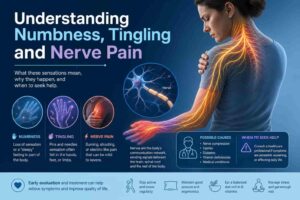
- Is accompanied by numbness, tingling, or weakness
You do not have to wait until pain becomes severe before discussing it with a healthcare professional.
What Happens During a Pain Management Evaluation?
A pain management evaluation may begin with a detailed discussion about your symptoms, medical history, previous treatments, and how the pain affects your daily life.
Your provider may also perform a physical examination and, when appropriate, recommend additional testing to better understand the source of your pain.
Treatment recommendations depend on the individual patient and the underlying cause of the pain.
You Don’t Have to Ignore Persistent Pain
Whether pain is new or has been affecting you for a long time, understanding its possible cause is an important part of receiving appropriate care.
Persistent pain can affect your physical health, emotional well-being, and quality of life. Professional evaluation can help you understand your condition and explore options for managing your symptoms.
Personalized Pain Management at Shiloh Health
At Shiloh Health, our Pain Management services are designed around the individual needs of each patient. We provide professional evaluation and personalized care for different types of pain.
If persistent pain is affecting your daily life, our team can help you explore appropriate care options.